



When we think about health, we often jump to weight loss, glowing skin, or maintaining a healthy heart. But what about the unsung heroes of our mobility—our joints and bones? These vital structures work tirelessly to keep us moving, yet they’re often overlooked until discomfort or injury strikes. What if the secret to stronger, pain-free joints and healthy bones lies on your plate? Let’s dive into how your diet can be a game-changer for bone health and joint support, and explore simple, delicious ways to give them the care they deserve.
Foods for Strong Bones: The Building Blocks of Healthy Bones and Joints
You need a steady supply of essential nutrients to maintain strong bones, support bone mass, and keep your joints flexible. Think of these as the raw materials your body uses to keep its skeletal system in peak condition:
Calcium: The Foundation of Bone Health

Calcium is the superstar of bone health, acting as the primary mineral your body uses to build and maintain bone density. Without enough calcium, your bones become brittle and prone to fractures.
-
Where to find it: Dairy products like milk, cheese, and yogurt; plant-based options like almond milk, kale, and broccoli.
Vitamin D: The Calcium Buddy

Vitamin D helps your body absorb calcium efficiently. Without it, even a calcium-rich diet won’t fully protect your bones.
-
Where to find it: Sunlight exposure, fatty fish like salmon and mackerel, and fortified foods.
Omega-3 Fatty Acids: Joint Lubricants

Omega-3s are anti-inflammatory powerhouses that can reduce joint stiffness and swelling.
-
Where to find it: Fish like salmon and sardines, flaxseeds, chia seeds, and walnuts.
Vitamin K: The Bone Glue

Vitamin K plays a crucial role in bone mineralization and clotting, ensuring calcium sticks where needed.
-
Where to find it: Leafy greens like spinach, kale, and Swiss chard.
Collagen: The Joint Cushion

Collagen is the protein that makes up cartilage, providing the cushioning your joints need to move smoothly.
-
Where to find it: Bone broth, chicken skin, fish skin, and collagen supplements.
-
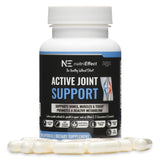
Supplement option: Try Active Joint Support, a premium supplement that boosts collagen levels and promotes joint flexibility and comfort.
Foods That Hurt Your Joints and Bones

Some foods nourish your bones and joints, but others can harm them. Here are a few to watch out for:
Sugary Treats
Excess sugar can trigger inflammation, which is bad news for your joints.
Processed Foods
Highly processed snacks and meals often contain unhealthy fats and additives that can weaken bones and promote joint discomfort.
Excessive Salt
Too much salt can leach calcium from your bones, reducing bone density.
Alcohol
Heavy drinking interferes with vitamin D metabolism, which impacts calcium absorption.
Simple, Delicious Meal Ideas for Joint and Bone Health
Now that we know what to eat (and what to avoid) let’s put it all together into tasty meals you’ll love:
Breakfast:

Greek yogurt parfait with fresh berries, chia seeds, and a drizzle of honey. Pair it with a glass of fortified orange juice for a vitamin D boost.
Lunch:

Spinach and kale salad topped with grilled salmon, walnuts, and a sprinkle of feta cheese. Dress it with olive oil and lemon for an omega-3 and vitamin K punch.
Snack:

A handful of almonds and dried apricots—a perfect combo of calcium and magnesium.
Dinner:

Roasted chicken with steamed broccoli and sweet potatoes. Add a side of bone broth for an extra dose of collagen. Consider taking Active Joint Support alongside your meal for even better joint support.
Dessert:
 Dark chocolate squares (low in sugar) with chamomile tea.
Keep Your Bones Strong: The Bigger Picture
 Diet is a cornerstone of joint and bone health, but it’s not the whole story. Pair your nutrient-rich meals with regular exercise, particularly weight-bearing activities like walking, yoga, or strength training, to keep your bones strong and your joints flexible. Don’t forget to stay hydrated—water helps maintain the elasticity of cartilage.
It’s also smart to understand your risk factors for osteoporosis. A family history, low calcium intake, low vitamin D, smoking, and limited activity can increase the risk of osteoporosis over time.
Your joints and bones work around the clock to keep you moving, so it’s only fair to give them the support they deserve. By incorporating bone-boosting foods, avoiding dietary pitfalls, and maintaining an active lifestyle, you can pave the way for years of intense, pain-free movement. Ready to start your journey to better joint and bone health? Grab your grocery list and let’s get started—your future self will thank you! Don’t forget to check out Active Joint Support for an extra boost in keeping your joints flexible and pain-free.
What Not to Eat for Strong Bones?
If you want to keep your bones strong, limit sugary treats, highly processed foods, excess salt, and heavy alcohol use. These can contribute to inflammation, reduced calcium absorption, and bone loss over time.
Website: https://nutri-effect.com/
Date Written: January 7, 2025